

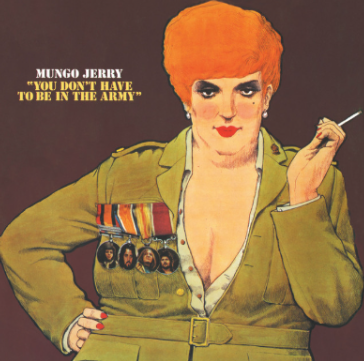
Mungo Jerry is a pretty standout name for a band to have, especially when they produce a unique blend of music that relates to all kinds of people. Unless completely unfamiliar, you may know them for their song “In the Summertime,” from 1970, which globally reached number one in over 20 countries, for its capturing of the carefree feeling of the season. But in this case, following their success on their album “Electrically Tested,” they would do a little spin on an anti-war message that many other artists were doing around the same time, since the 70s were eventful to say the least with disco life on the rise, the start up of PBS on TV, and the Vietnam War coming close to its end.
The Vietnam War was a conflict that many in the government wanted to advocate for, while more than enough of the civilians they represented wanted it to end. Similar to today, with the ongoing fighting in Iran showing how common it really is for history to repeat itself, and its relevance today, though with some differences in social norms like media and news. Still, Mungo Jerry, led by vocalist Ray Dorset, with guitar player Paul King, pianist Colin Earl, and bassist John Godfrey, would come together as a group in 1970. A year later, the band would release one of their most political albums, “You Don’t Have To Be In The Army, To Fight In The War,” commonly abbreviated to “YDHTBITA, TFITW.”
The whole album is perfectly put together, with songs like “Ella Speed” mirroring the classic “Copacabana” by Barry Manilow, while “Pigeon Stew” goes over the struggles of not making rent and surviving on unconventional meals. Alongside more happy songs like “Simple Things,” which is my personal favorite, talking about those simple pleasures in life we all have, and “On a Sunday,” which is simply about relaxing at the end of that long-long week.
Now, let’s go over the song that speaks the message of this album, “You Don’t Have to Be in the Army to Fight in the War.” The title song of the album, this track takes the time to go over and depict the societal struggles of the era. Albeit by now some of the following examples are dated by today’s standards, but still carry over, just with a different note. Some mentioned struggles are your partner’s parents not liking your appearance and unfairly losing a job over small things, being racially discriminated against and even being a victim of police brutality.
It may seem unrelated to a song about a war, but each verse is split up by the same repeated line, “you don’t have to be in the army, to fight in the war.” When you think about it, the statement is true in the sense that fighting against societal norms and actually fighting a war is an entirely different battle. There’s just as much war for the common folk to fight, but rather than taking orders from a general, they deal with oppression, inequality and being an apparent nuisance to others all because they don’t fit that social norm.
It’s a reminder to all of us that everyone, no matter where they are, are fighting their own wars behind their own lines, with this album perfectly catching and displaying that message. “YDHTBITA, TFITW” shows us that we’re more similar in our daily struggles and pleasures than we’ve been taught.
Final Ranking: 9.9/10