

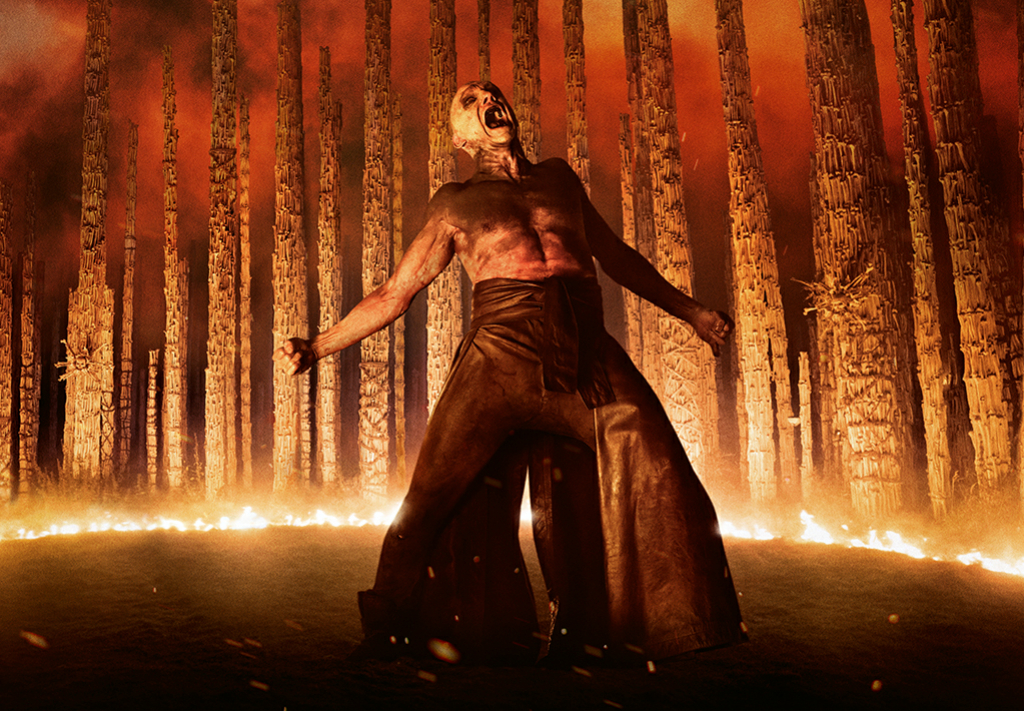
“28 Years Later: The Bone Temple” released on Jan 16, 2026, directed by Nia DaCosta and written by Alex Garland. The fourth installment in the “28 Days Later” saga, “28 Years Later: The Bone Temple” occurs immediately after the previous movie and centers around main characters, Spike, portrayed by Alfie WIlliams, Dr. Ian Kelson, portrayed by Ralph Fiennes, and Jimmy portrayed by Jack O’ Connell.
The film follows an infection referred to as the “rage virus” happening in the United Kingdom. Introduced in the previous movies, the rage virus takes over the minds of those infected making them act aggressive and violent with their only purpose being to infect other people. The previous movie ended with the main character Spike being put in a difficult situation of life or death. The first scene of “The Bone Temple” depicts the aftermath of this situation and as more events unfold, the brutal nature of society under the effect of the rage virus is demonstrated further.
With captivating performances coming from the actors, combined with the newfound direction from DaCosta, this film stands out as its own compared to other films coming from this saga. The previous director Danny Boyle was absent from the screenwriting within the film and only acted as a supervisor rather than directing. This allowed DaCosta to be able to put her own mark on the series. How this film manages to stand out from the rest of the franchise comes in the overall storytelling, straying from the singular perspective of one singular character and focusing on two storylines. One follows the character of Spike trying to survive and the other follows Dr. Kelson attempts to find a cure for the infected, with both stories eventually leading into each other. This moment of connection between both stories was both satisfying and unexpected.
Something this film does well is highlighting the overall brutality and nature of the infection along with how this has affected the survivors of it. This was heavily aided by the acting, with performances that were memorable and grounded. Stand outs include Williams for his portrayal of a young teen managing to survive within the desolate wasteland that infection has created. Fiennes also stands out for his performance as Dr. Kelson who is caught between a situation in which he can determine if the infection is curable along with how he shows compassion for the infected, with him being able to interact with one specifically highlighting that it’s possible to cure the infected.
Where the film lacks is with its main antagonist, Sir Jimmy Crystal, as it can be difficult to identify his reasons and motivations for his actions throughout the film. His overall attitude combined with his madness and twisted views of the world show how much the infection has affected the sanity of survivors living after the initial outbreak. While this brought more of an insight into the current state of the society and fleshed out the characters previously mentioned even further, Sir Jimmy Crystal’s motivations should have been more explored. This would have made his actions that much more impactful to the plot and the audience and would have allowed for a more in depth understanding of how the characters are feeling.
With this film, DaCosta herself said her intention was to focus more on the “nature of evil” compared to its predecessor focusing more on the “nature of family.” This was especially evident in scenes that focused more on Sir Jimmy Crystal. These aspects added suspense and allowed the viewer to feel the madness and the state of despair the infection has brought to the survivors. Overall, this film was thrilling, innovative and a standout among others of its genre, as well as within the saga of the “28 Days Later” movies. DaCosta successfully added her own take on the story while still managing to stay loyal to what fans loved most about the original movies.